
Diving Mecca
Unique Creatures
The Galapagos Islands offer unmatched opportunities to observe rare species in their natural environments. You can walk within feet of giant tortoises, watch marine iguanas graze underwater, and observe seabirds perform their unique mating rituals.
Observing Giant Tortoises in Their Natural Habitat
Giant tortoises are among the most iconic residents of the Galapagos. These ancient reptiles can weigh over 500 pounds and live for more than 100 years. You'll find them roaming freely in the highlands of Santa Cruz Island, where they graze on grass and rest in muddy pools.
The Charles Darwin Research Station on Santa Cruz provides educational opportunities to learn about tortoise conservation efforts. You can observe tortoises of different ages and subspecies here. Each island historically had its own subspecies, though some are now extinct.
For the most authentic experience, visit the Tortoise Reserve in the Santa Cruz highlands. The tortoises move slowly through the vegetation, completely unbothered by human presence. You can photograph them from just a few feet away as they eat or rest.
Encounters with Marine Iguanas
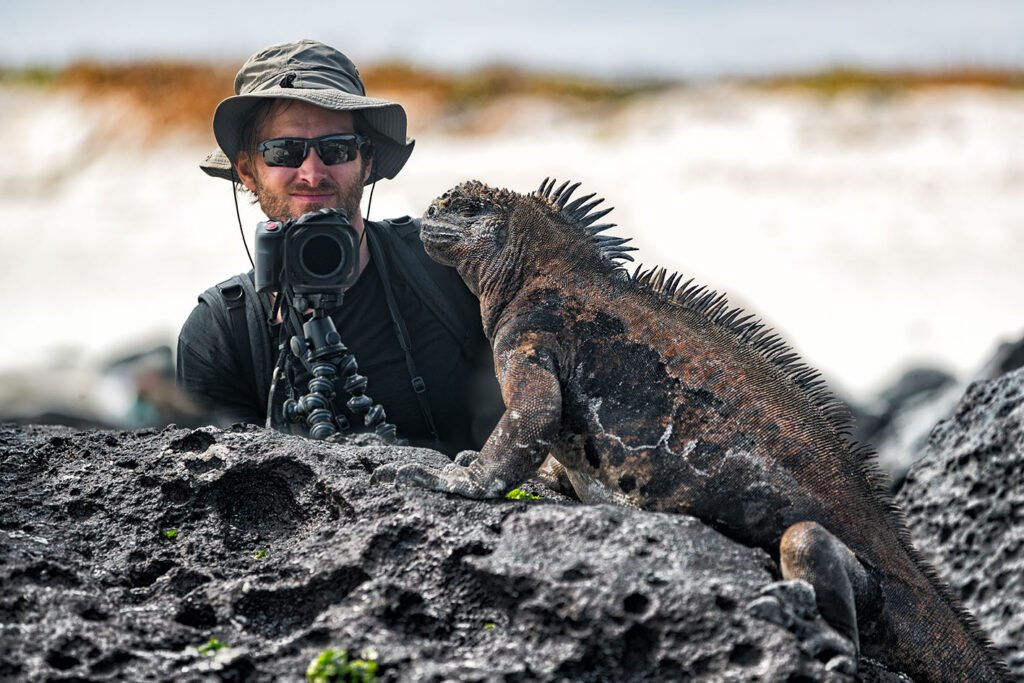
Marine iguanas are the world's only sea-going lizards. These black reptiles cluster on rocky shores throughout the islands, sometimes piling on top of each other to conserve heat. They dive into the ocean to feed on algae, holding their breath for up to 30 minutes.
Punta Espinosa on Fernandina Island hosts one of the largest marine iguana colonies. You'll see hundreds of them basking on black lava rocks after feeding in the cold Pacific waters. Their dark coloring helps them absorb heat from the sun.
You can also snorkel alongside marine iguanas as they graze on underwater algae. Watching them swim with side-to-side tail movements is remarkable. During breeding season, males develop bright red and green coloring on parts of their bodies.
Sally Lightfoot crabs often share the same rocks with marine iguanas. These bright red-orange crabs provide a striking color contrast against the black lava and dark iguanas.
Watching Blue-Footed Boobies and Frigatebirds
Blue-footed boobies are famous for their bright blue feet and elaborate mating dances. Males display their feet to females by lifting them high in a rhythmic walk. The brighter the blue, the healthier the bird.
You'll find large colonies at Urbina Bay on Isabela Island and at Punta Suarez on Española. Watch them plunge-dive from heights of up to 80 feet to catch fish. They fold their wings back and pierce the water like arrows.
Magnificent frigatebirds and great frigatebirds soar overhead with their distinctive forked tails. Males inflate their red throat pouches during breeding season to attract females. They often steal food from other seabirds rather than catching their own.
Española Island is the only nesting site for the waved albatross in the Galapagos. These birds perform an elaborate courtship dance involving bill circling and sky pointing. Visit between April and December to see them, as they migrate during other months.
The flightless cormorant lives only in the Galapagos. You'll spot them at Tagus Cove and Punta Espinosa, drying their small, useless wings after fishing.
Galapagos Sea Lions and Penguins
Galapagos sea lions are one of the most playful and approachable species you'll encounter. They lounge on beaches, park benches, and boat docks throughout the inhabited islands. Males can be territorial, especially during breeding season, so maintain a respectful distance.
Snorkeling with sea lions is a highlight of any Galapagos visit. Young sea lions are especially curious and will swim circles around you, performing underwater acrobatics. San Cristobal Island has one of the largest populations.
Galapagos penguins are the only penguin species found north of the equator. These small penguins stand about 19 inches tall. You'll see them on Isabela Island, particularly around Urbina Bay, and at Bartolome Island near Pinnacle Rock.
Watch penguins dive for small fish in the cool currents. They waddle on lava rocks and sometimes stand with their flippers extended to regulate body temperature. Snorkeling around Pinnacle Rock gives you the best chance to swim alongside them.
Y
ou might also spot Darwin's finches on land excursions and occasionally see Galapagos sharks while snorkeling in deeper waters. Each wildlife encounter demonstrates the unique evolutionary adaptations that make these islands extraordinary.