Galapagos FAQ
Frequently Asked Questions
Visitors to the Galapagos often have questions about activities, wildlife locations, travel logistics, and where to stay. The islands require some planning due to their protected status and remote location.
What activities are available for tourists in the Galapagos Islands?
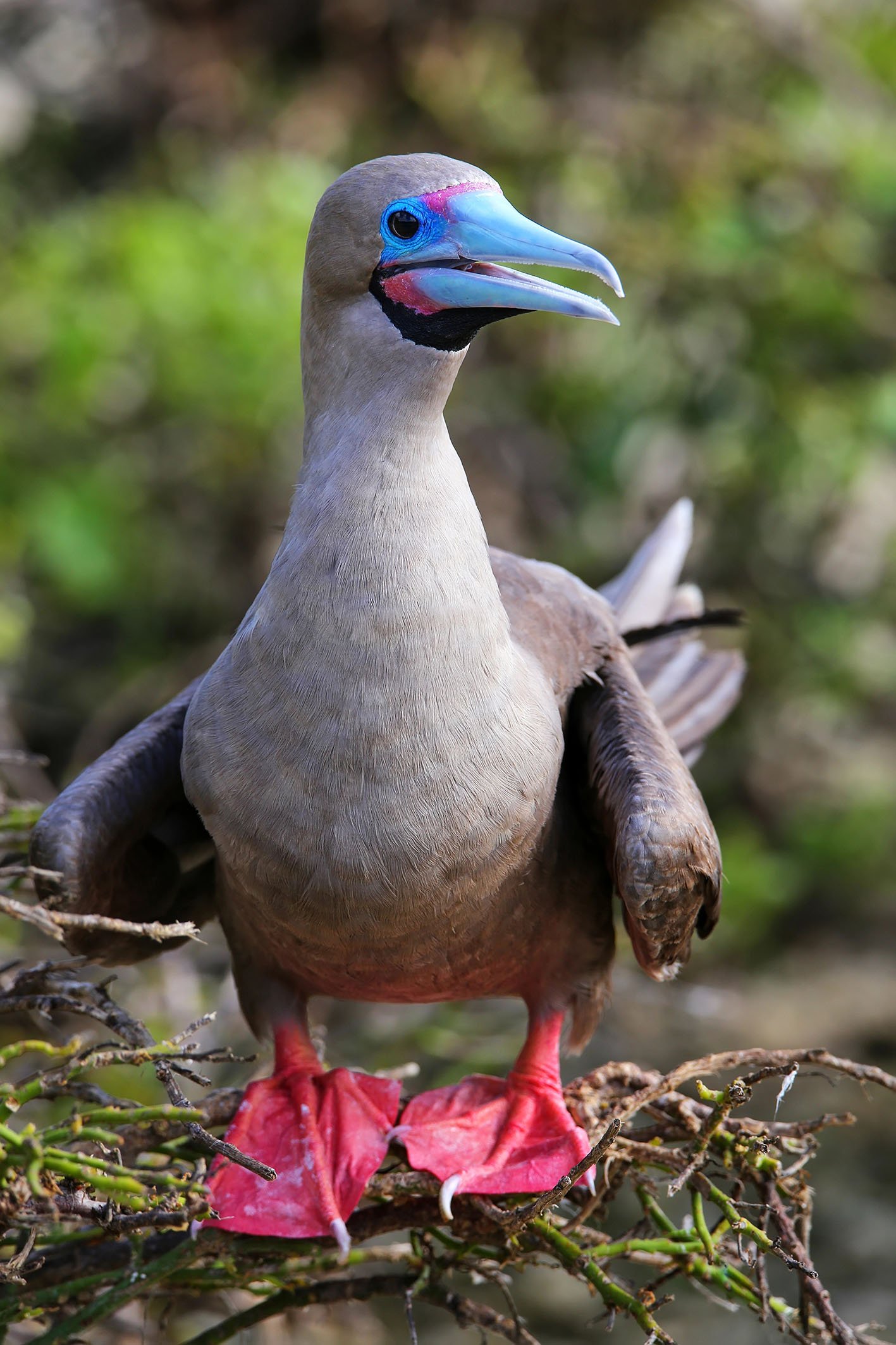
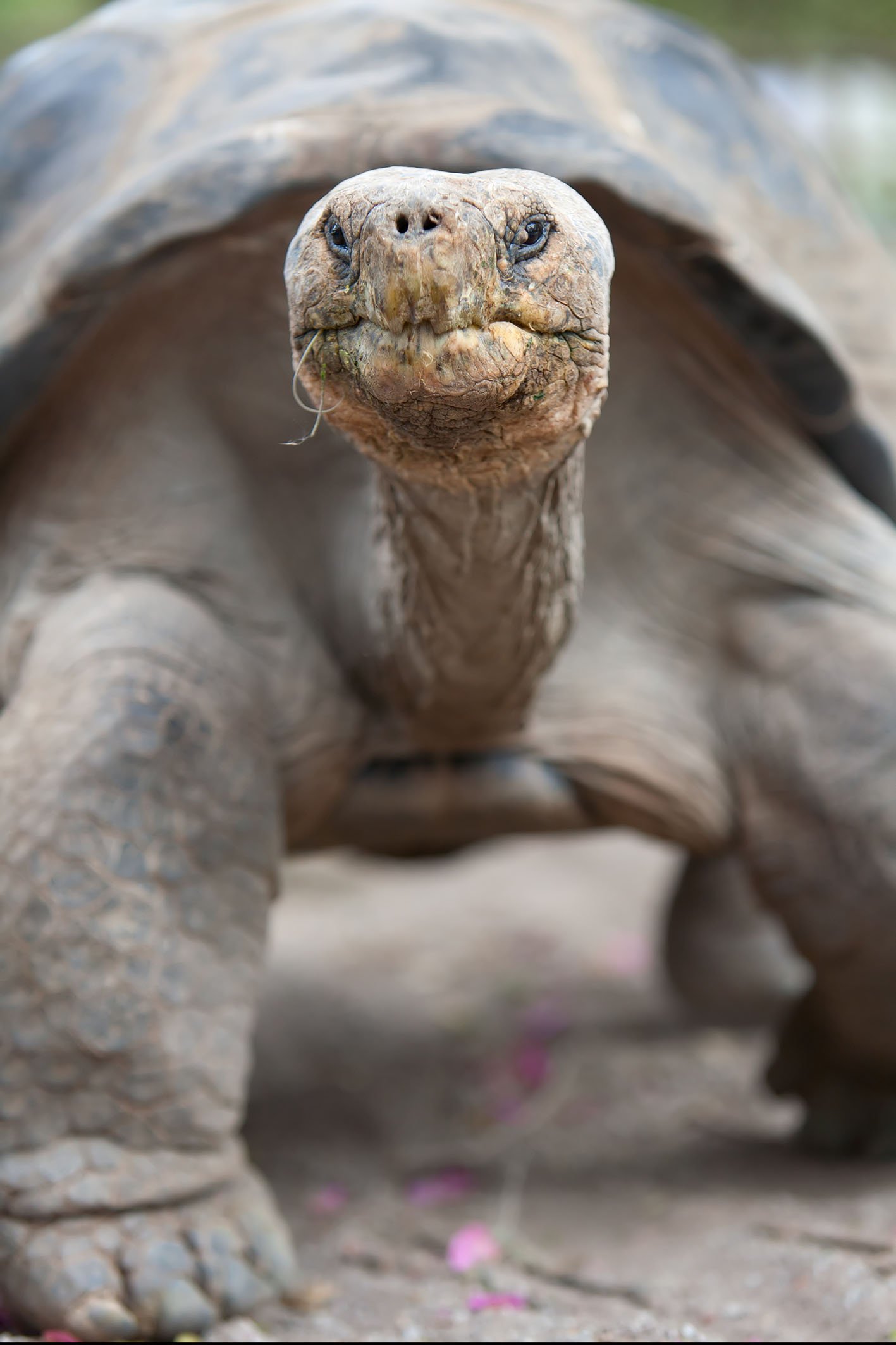
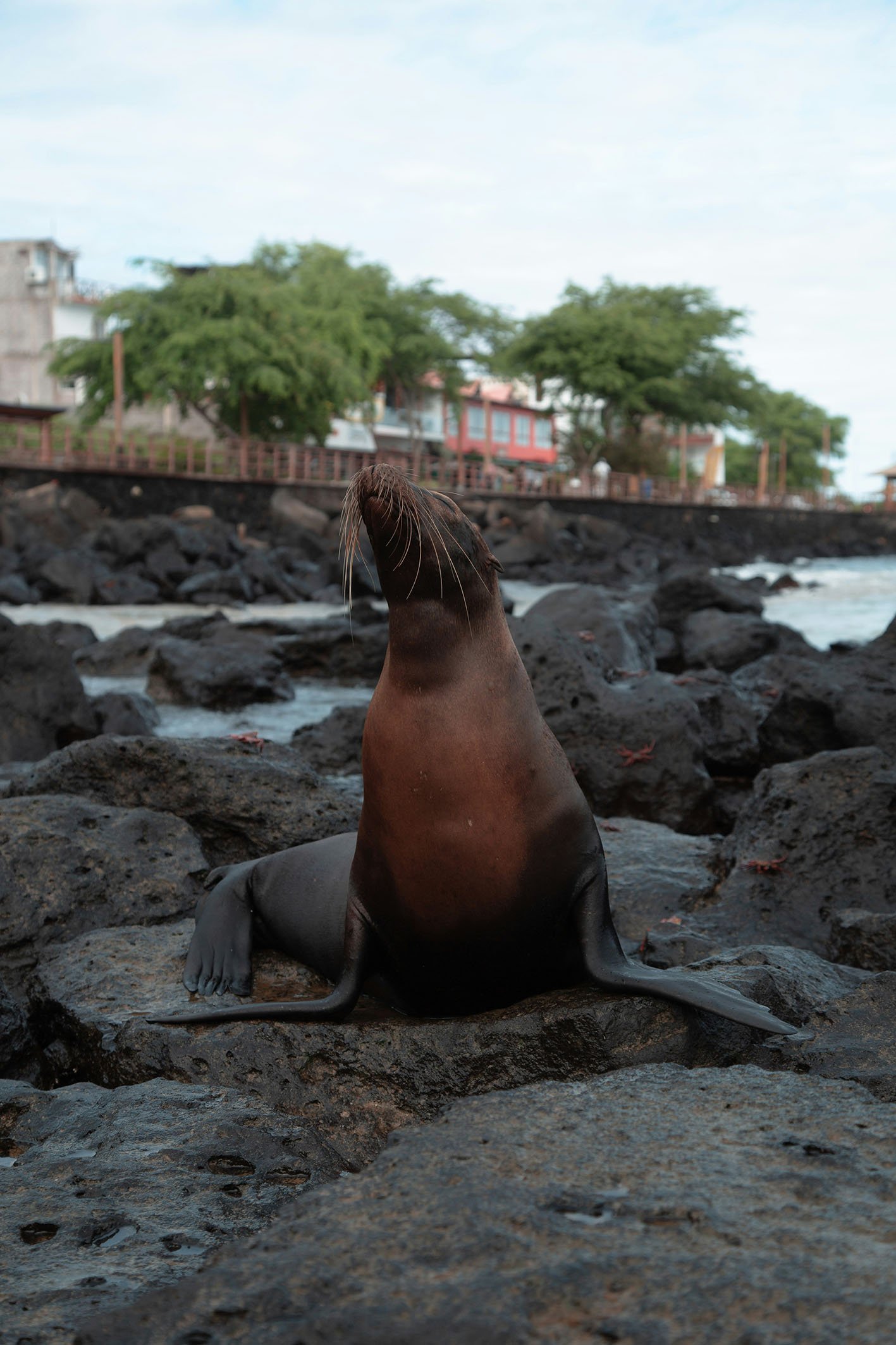
You can participate in snorkeling with sea lions, sea turtles, and colorful fish throughout the archipelago. Many visitors take guided walks on marked trails to observe giant tortoises, marine iguanas, and blue-footed boobies up close.
Kayaking along coastal areas lets you explore mangroves and observe wildlife from the water. You can also go hiking on volcanic landscapes to see craters and lava formations.
Wildlife photography is a major draw since animals in the Galapagos show little fear of humans. Scuba diving offers advanced underwater experiences at sites like Gordon Rocks and Wolf Island.
Which island in the Galapagos is best for wildlife viewing?
No single island offers the best wildlife viewing because different islands host different species. Santa Cruz provides easy access to giant tortoises at the Charles Darwin Research Station and in the highlands.
Fernandina and Isabela in the western part of the archipelago are known for their large populations of marine iguanas, flightless cormorants, and Galapagos penguins. North Seymour Island is famous for its blue-footed booby colonies and frigate birds.
Española Island in the southeast hosts waved albatrosses from April to December. San Cristóbal offers good opportunities to see sea lions at close range along its beaches and boardwalks.
What are the top things to consider when deciding which Galapagos Islands to visit?
Your choice of islands should match the specific wildlife you want to see. Different islands have different animal populations, so research which species live where before booking your trip.
The time of year affects what you'll experience. Some species like waved albatrosses are only present during certain months.
Your physical fitness level matters because some islands require hiking on uneven volcanic terrain. The western islands like Fernandina and Isabela are more remote and typically accessed only by multi-day cruises.
Budget plays a role since longer cruises that reach distant islands cost more than shorter trips or land-based tours. You should also consider whether you prefer a cruise-based itinerary or staying in hotels and taking day trips.
Where can visitors find the best snorkeling experiences in the Galapagos?
Kicker Rock off San Cristóbal offers dramatic underwater rock formations where you can snorkel alongside hammerhead sharks, sea turtles, and rays. Devil's Crown near Floreana features a submerged volcanic cone with abundant marine life.
Champion Islet near Floreana provides calm waters with playful sea lions. Los Tuneles on Isabela has lava formations that create tunnels where you can see white-tipped reef sharks, sea horses, and manta rays.
Gardner Bay on Española combines a beautiful beach with excellent snorkeling spots nearby. The water temperatures range from cool to moderate, so you may want a wetsuit depending on the season.
How does one travel between the different islands in the Galapagos?
You can travel between islands by boat or small aircraft. Most visitors choose either a multi-day cruise that includes the boat as your accommodation and transportation, or a land-based approach using inter-island speedboats.
Public speedboats run between Santa Cruz, San Cristóbal, and Isabela. These trips take about two hours and can be rough depending on sea conditions.
Small planes operated by Emetebe fly between Baltra, San Cristóbal, and Isabela, cutting travel time to about 30 minutes. You cannot explore between islands independently without permits and must use authorized tour operators or transportation services.
Cruises handle all inter-island travel as part of your itinerary. Day trips from your base island are available through local tour operators if you choose a land-based stay.
What are some accommodation options for staying in the Galapagos Islands?
Hotels and guesthouses are available on Santa Cruz, San Cristóbal, and Isabela. Puerto Ayora on Santa Cruz has the widest range of options from budget hostels to upscale hotels like Finch Bay Lodge and Royal Palm.
Multi-day cruises serve as floating hotels and range from basic yachts with 16 passengers to larger vessels with more amenities. Cruise options include luxury catamarans like the Elite and mid-range boats like the Grand Queen Beatriz.
Santa Cruz offers the most accommodation choices and serves as a good base for day trips. San Cristóbal has fewer but still adequate hotel options near the waterfront.
Isabela has smaller, more rustic lodging choices that fit the island's quieter atmosphere. You should book accommodations well in advance, especially during peak travel months from June to August and December to January.