
Top Towns and Local Experiences
The main towns in the Galapagos offer a chance to see daily island life beyond the wildlife tours. Puerto Ayora on Santa Cruz Island and Puerto Baquerizo Moreno on San Cristobal Island both have local markets, waterfront walks, and fresh seafood that give you a real taste of Galapagos culture.
Puerto Ayora and Its Fish Market
Puerto Ayora is the largest town in the Galapagos and sits on Santa Cruz Island. The town centers around Avenida Charles Darwin, a waterfront street lined with restaurants, tour operators, and small shops.
The Santa Cruz fish market is a must-see spot where local fishermen sell their daily catch. You'll watch pelicans and sea lions crowd around the cleaning stations, waiting for scraps. The animals are so used to people that they'll stand right next to you while fishermen gut tuna and snapper.
The market operates in the late afternoon when boats return from fishing trips. You can buy fresh fish to take to nearby restaurants that will cook it for you. The surrounding area has waterfront bars and cafes where you can watch boats come and go while frigatebirds circle overhead.
San Cristobal Towns and Attractions
Puerto Baquerizo Moreno is the capital of the Galapagos and sits on San Cristobal Island. The town is smaller and quieter than Puerto Ayora but still has plenty of things to do in San Cristobal.
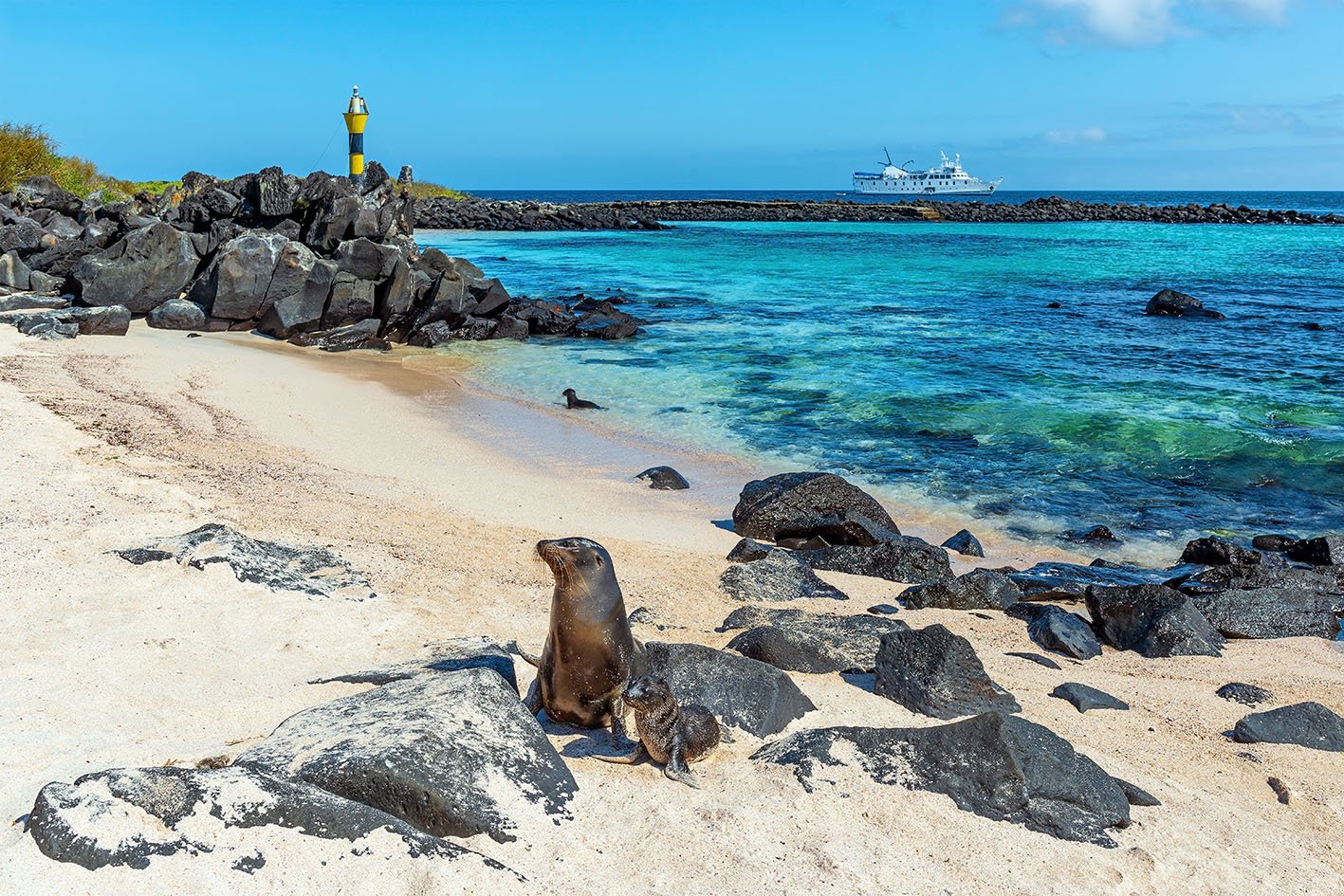
Sea lions sleep on park benches and block sidewalks throughout town. You'll need to step around them as you walk to shops and restaurants. The main beach, Playa Mann, sits right in town and offers calm water for swimming alongside sea lions and marine iguanas.
The Interpretation Center near town explains the natural and human history of the islands through exhibits and outdoor trails. La Loberia beach is a short walk from the center and has a rocky coastline where sea lions rest and marine iguanas sun themselves on black lava rocks.
Historic and Cultural Sights
The Galapagos Islands contain historic sites that tell stories of human presence, from early maritime traditions to darker periods of the islands' past. These locations offer a different perspective beyond the famous wildlife encounters.
Post Office Bay Traditions
Post Office Bay on Floreana Island has operated an unofficial mail system since the late 1700s. Whalers originally placed a wooden barrel here to leave letters for homebound ships to collect and deliver. This tradition continues today with visitors who leave postcards without stamps and take cards addressed near their home to hand-deliver.
You can participate in this centuries-old custom by bringing your own postcards to leave in the barrel. The system works on trust and goodwill among travelers. Many people report receiving postcards months or even years later, hand-delivered by fellow tourists who found their card in the barrel.
The barrel itself has been replaced multiple times over the years but maintains the same purpose. This site represents one of the oldest continuously operating postal systems in the Pacific and gives you a tangible connection to the sailors and explorers who passed through these waters.
Wall of Tears History
The Wall of Tears on Isabela Island stands as a stark reminder of the penal colony that operated there from 1946 to 1959. Prisoners built this wall from volcanic rocks under harsh conditions, with many losing their lives during construction. The wall stretches approximately 100 meters long and reaches heights of 7 meters in some sections.
You can visit this site today via a trail that takes you through the arid landscape of Isabela. The wall serves as a memorial to the difficult period in the island's history. The construction served no practical purpose, making it a monument to senseless labor and suffering.
Galapagos Cruises and Guided Tours
Cruises offer access to remote islands you can't reach independently, while day tours let you explore specific sites with expert naturalist guides. Both options provide structured ways to experience the archipelago's wildlife and landscapes.
Choosing a Galapagos Cruise
Small ship cruises remain the primary way to visit multiple islands during your Galapagos vacation. Most vessels accommodate 16 to 100 passengers and include naturalist guides, meals, and equipment for snorkeling.
You can select from 4-day, 5-day, or 8-day itineraries depending on how much you want to see. Longer cruises visit more remote islands like Española and Fernandina, where you'll find species that don't exist on the inhabited islands.
Cruise options range from budget-friendly yachts to luxury ships with private balconies and jacuzzis. The ships follow designated routes approved by the national park, so each itinerary visits different island combinations.
Cruises have a lighter environmental footprint than land-based tourism. This matters because the Galapagos ecosystem is fragile and protected.
Day Tours and Multi-Island Options
Day tours let you explore uninhabited islands from a base on Santa Cruz, Isabela, or San Cristóbal. Tours typically include a guided hike and snorkeling session, with prices starting around $135 to $270 per person.
Popular day tours include:
- Bartolome Island - panoramic views and unique volcanic landscapes
- North Seymour - blue-footed boobies, frigates, and land iguanas along trails
- Cabo Rosa Tunnels - exceptional snorkeling with sea turtles and sharks
- Kicker Rock - dramatic rock formation with diverse marine life
You can combine a 5-day cruise with several day tours to maximize your Galapagos experience. This approach gives you access to both cruise-only islands and sites near the main ports.
Most tours depart early morning and return by late afternoon. You'll need to book popular excursions in advance, especially during peak season from June to August.
Conservation and Research Centers
The Galapagos Islands host world-class conservation facilities where scientists work to protect endangered species and fragile ecosystems. These centers let you witness active breeding programs, learn about ongoing research, and understand the challenges facing this unique archipelago.
Charles Darwin Research Station
The Charles Darwin Research Station sits in Puerto Ayora on Santa Cruz Island and serves as the main hub for conservation work in the Galapagos. Established in 1964, this facility welcomes you Monday through Sunday from 8:00 AM to 6:00 PM with free admission.
You can walk through paths lined with native vegetation to observe giant tortoise enclosures and see these massive creatures up close. The station houses over 137,000 specimens in its natural history collections. More than 200 scientists and volunteers work here on research projects focused on protecting the islands' terrestrial and marine ecosystems.
The facility includes a baby tortoise nursery where you can watch young tortoises being raised for eventual release into the wild. Educational displays throughout the grounds explain the threats facing Galapagos wildlife, from invasive species to climate change.
The Work of the Charles Darwin Foundation
The Charles Darwin Foundation has operated in the Galapagos since 1959, conducting scientific research and conservation programs throughout the archipelago. The organization runs over 20 active research and conservation programs addressing critical threats to the islands.
Their major focus areas include invasive species prevention, control, and eradication to keep Galapagos as one of the best-conserved archipelagos worldwide. Scientists study natural systems and their relationship with island residents to maintain the delicate balance between climate, people, and nature.
The Foundation has trained more than 3,200 volunteers over the past 40 years. Recent projects include completing the first genome sequence of the endangered sea cucumber to advance marine conservation efforts.
Giant Tortoise Breeding Centers
Giant tortoise breeding centers operate at multiple locations across the islands, with the most accessible programs at the Charles Darwin Research Station and La Galapaguera de Cerro Colorado on San Cristobal Island. These captive breeding programs have become essential for saving tortoise species from extinction.
You can watch tortoises at different life stages, from tiny hatchlings to adults weighing over 500 pounds. The breeding centers raise young tortoises in protected environments until they're large enough to survive in the wild, then release them back to their native islands.
El Chato Tortoise Reserve on Santa Cruz Island offers a different experience where you can see giant tortoises in their natural habitat rather than in enclosures. The reserve lets you observe these creatures roaming freely through humid highland vegetation, mud wallows, and grassy fields.